It Happened on
January 31, 1862
The observation of Sirius B, also known as the Pup, is significant because it was the first evidence of the existence of a white dwarf star. In 1862, Sirius B was discovered by astronomers Alvan Graham Clark and his son, William Clark, while observing Sirius A, the brightest star in the night sky. They noticed a faint companion star near Sirius A and later determined it was a white dwarf, a type of star that is incredibly dense and has exhausted its fuel for nuclear fusion. The discovery of Sirius B confirmed the theoretical predictions about the nature of white dwarfs and opened up new avenues for the study of stellar evolution and the structure of stars. Today, the observation of Sirius B remains a cornerstone of astronomical research and continues to be studied in detail.
Meanwhile…
9 months later was born…

Born on July 10, 1832 (1832 - 1897) Alvan Graham ClarkAmerican astronomer and telescope-maker |
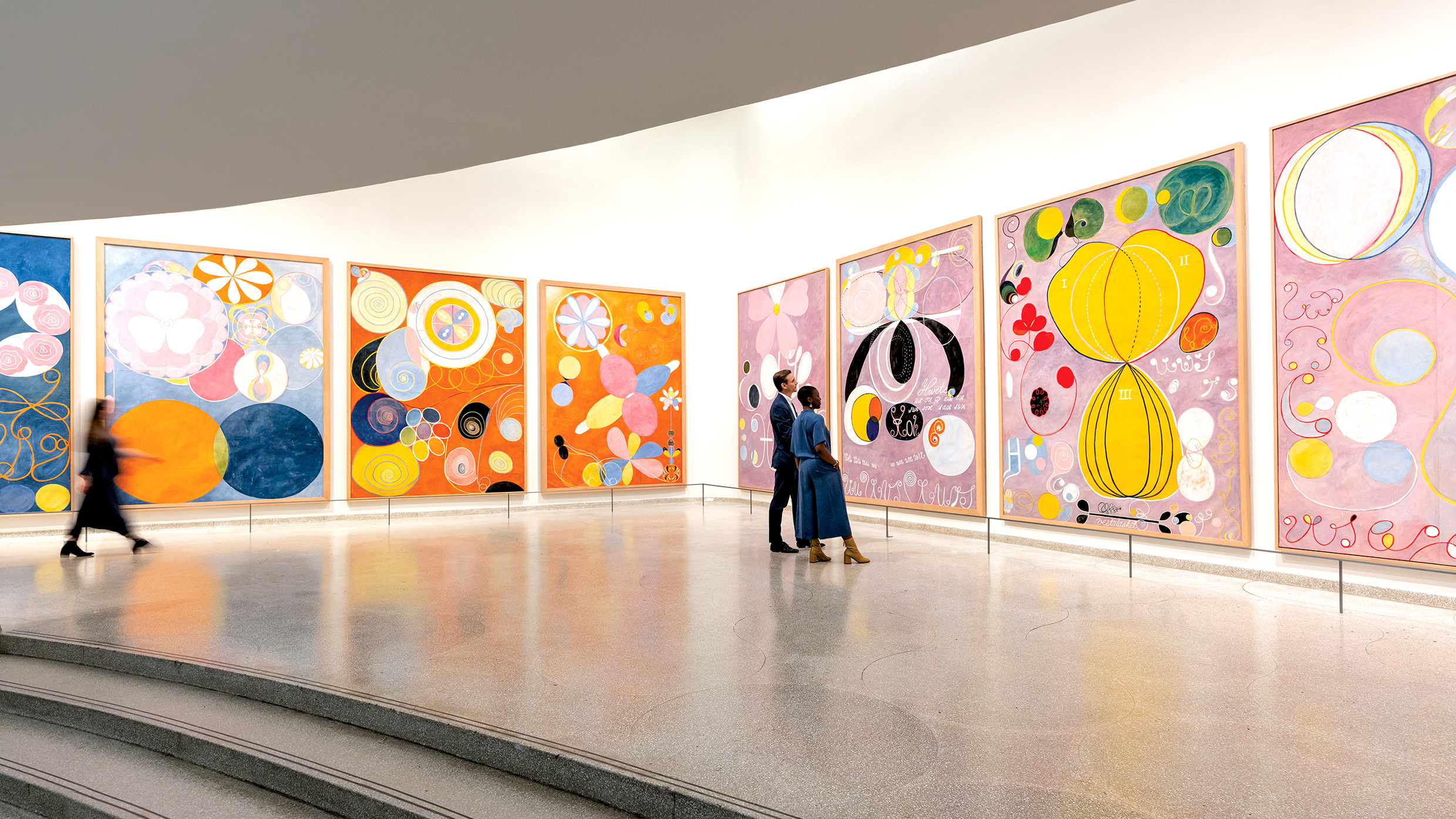
Born on October 26, 1862 (1862 - 1944) Hilma af KlintPioneer in the early development of abstract art and her innovative use of spiritual and symbolic themes |
There is another child full of light who was also born along with Alma. Can you find him?
This is the conception day event of 2 people, who also made a difference in history
261 days after the event (plus or minus 26 days) were born.
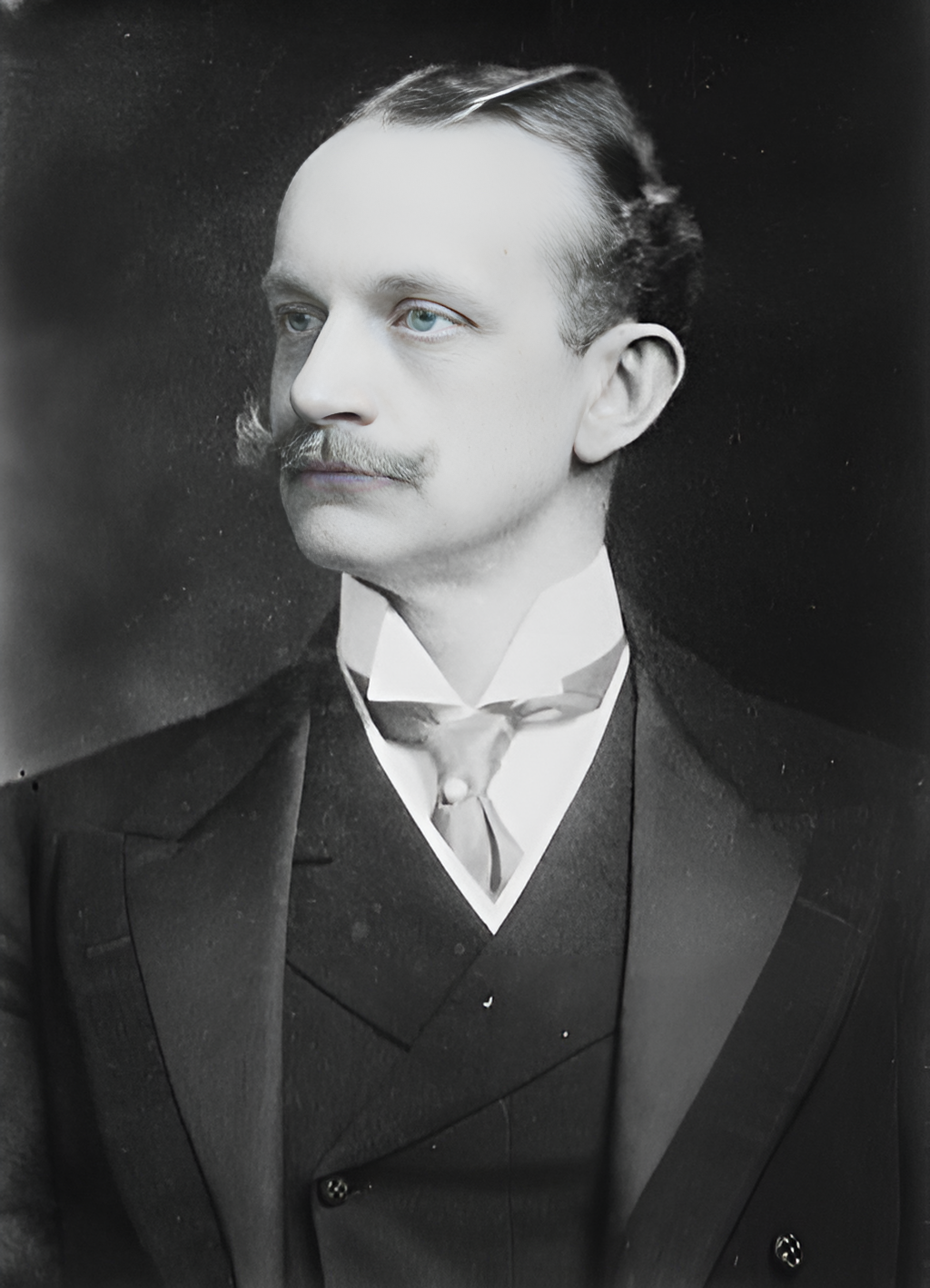
Born on November 14, 1862 (1862 - 1939) Johann Heinrich von BernstorffGerman politician and ambassador to the United States from 1908 to 1917 |

Born on October 19, 1862 (1862 - 1954) Auguste LumièreFrench engineer, industrialist, biologist, and illusionist |