In 1776, at the age of 65, she was appointed to the chair in experimental physics by the Bologna Institute of Sciences, with her husband as a teaching assistant.
This podcast is based on Laura Bassi’s Wikipedia article. It is 34 minutes long and it is produced using Google’s NotebookLM
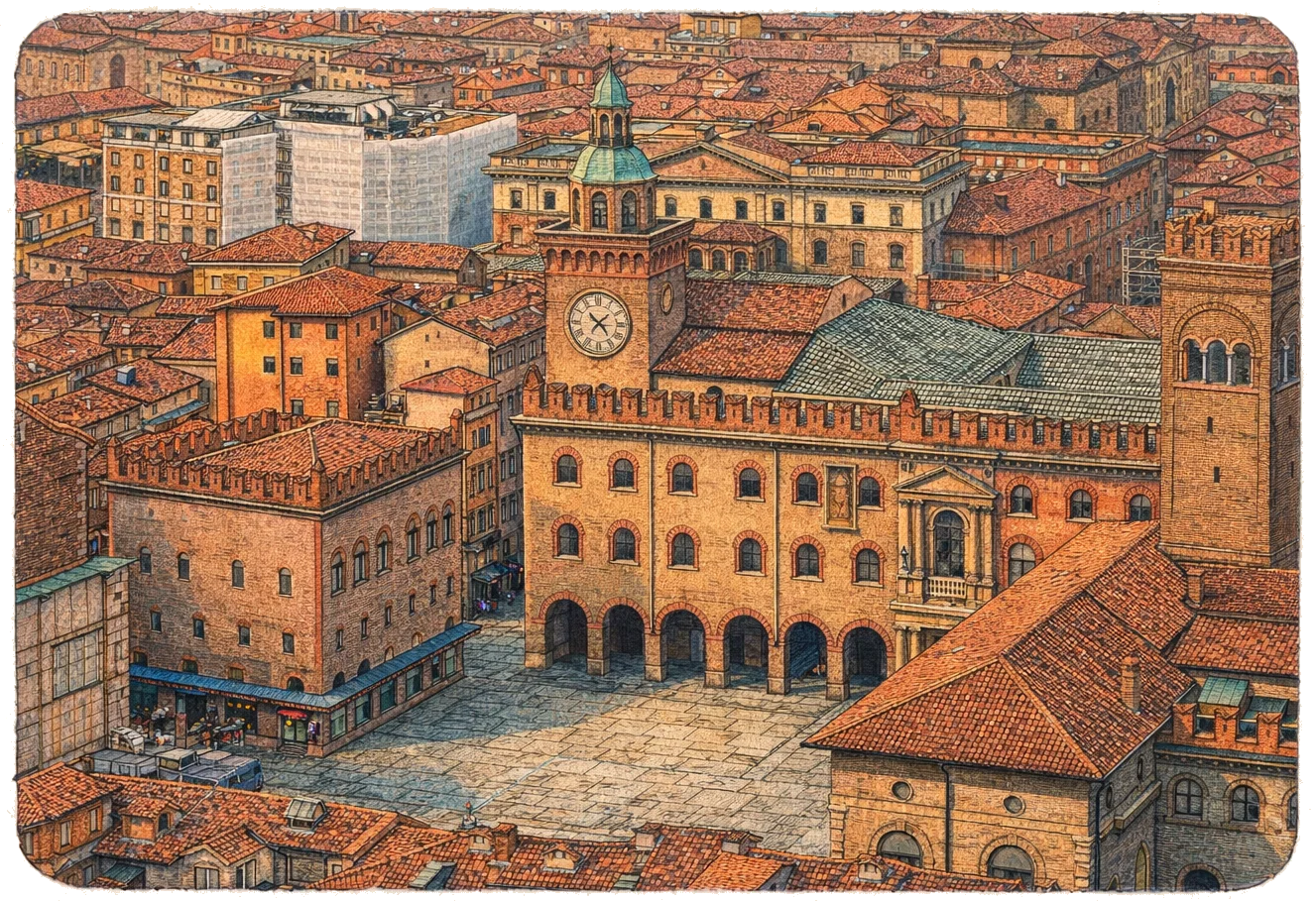
Overcoming Barriers: How Laura Bassi Became a Pioneering Professor
Introduction: The “Bolognese Minerva”
In 18th-century Italy, Laura Bassi was celebrated as the “Bolognese Minerva,” a title that compared her to the Roman goddess of wisdom. Her greatest achievement was becoming the world’s first salaried female university professor, a monumental step in the history of science and education. But while her intellect was publicly celebrated, her path was not easy. Bassi’s journey was defined by a constant struggle against the institutional barriers and social expectations placed upon her simply because she was a woman.
An Unusual Path to Academia
Unlike her male colleagues, Laura Bassi did not follow a traditional educational route through schools and universities. Her entry into the academic world was made possible by two key factors that were highly unusual for the time.
* Private Tutelage: Bassi never received a formal education. Instead, she was privately tutored by two key figures: her cousin, Father Lorenzo Stegani, who taught her Latin, French, and mathematics; and the family physician, Gaetano Tacconi, who instructed her in philosophy, metaphysics, and logic. Even here, Bassi asserted her intellectual independence. While Tacconi urged her to focus on the era’s less controversial Cartesian teachings, Bassi was drawn to the revolutionary science of Isaac Newton, a preference that would define her later career.
* Powerful Patronage: Her exceptional intellect caught the attention of Cardinal Prospero Lambertini, the Archbishop of Bologna, who later became Pope Benedict XIV. He became her champion, arranging for her to hold a public debate against four university professors on April 17, 1732. Following her spectacular performance, she publicly defended forty-nine theses before the university’s faculty, which led directly to her receiving a doctoral degree from the University of Bologna on May 12.
This spectacular entry into academia was a triumph, but it also marked the beginning of a long career spent navigating the strict limitations of her position.
A Professor in Name, But Not in Practice
While the University of Bologna proudly appointed Bassi, making her a symbol of the city’s intellectual enlightenment, her role was fraught with contradictions. She was granted a prestigious title and salary, but the university Senate simultaneously imposed severe restrictions on her duties. This paradox was stark: at one point, Bassi was one of the university’s highest-paid employees, earning 1,200 lire, yet she was barred from the fundamental work her male colleagues performed daily.
Laura Bassi’s Appointment: Appointed professor of natural philosophy and became the first salaried female lecturer in the world. She was forbidden from teaching regularly scheduled classes filled with all-male students. Became a celebrated public figure and, in 1732 at the age of 21, the first female member of the prestigious Academy of Sciences of the Institute of Bologna. Her public lectures were heavily restricted, and from 1746 to 1777, she was permitted to give only one formal dissertation per year. Held an official, paid position within the university structure. | Her request to be granted normal teaching duties, like her male counterparts, was explicitly denied.
These official limitations made it clear that while the university was willing to use her as a figurehead, it was not ready to grant her the full rights of a professor. To build a meaningful career, Bassi had to find ways to work around the rules.
Building a Career Outside the Rules
Refusing to be just a symbol, Laura Bassi developed innovative strategies to overcome the university’s constraints and establish herself as a serious, practicing scientist and educator. She skillfully carved out a space for her work by operating largely outside the official university structure.
1. Creating a Home Laboratory After being denied a regular teaching role, Bassi received permission and funding to establish a laboratory and classroom in her own home. This move was transformative. It allowed her to bypass the university’s restrictions, give private lessons, and conduct experiments on her own terms. Crucially, it enabled her to become the most important populariser of Newtonian mechanics in Italy, introducing Newton’s revolutionary ideas on physics and natural philosophy long before they were part of the standard university curriculum.
2. Forming a Scientific Partnership Her marriage to Giuseppe Veratti, a fellow lecturer at the university, was a sophisticated working relationship. They collaborated closely on experimental research, particularly in the emerging field of electricity. This partnership provided intellectual support and helped her conduct ambitious research projects that attracted other prominent scientists to Bologna.
3. Leveraging Her Influence Bassi persistently lobbied for greater inclusion in the city’s most elite scientific circles. She pushed to be appointed to the “Benedettini,” an exclusive group of 25 scholars established by Pope Benedict XIV. With the Pope’s support, she succeeded in becoming its only female member. Although she was not granted voting rights like the men, her inclusion solidified her standing and reflected her continental fame, which was so great that the philosopher Voltaire wrote to her: “There is no Bassi in London, and I would be much happier to be added to your Academy of Bologna than that of the English, even though it has produced a Newton.”
Through these methods, Bassi built an independent and influential scientific career in spite of the official obstacles.
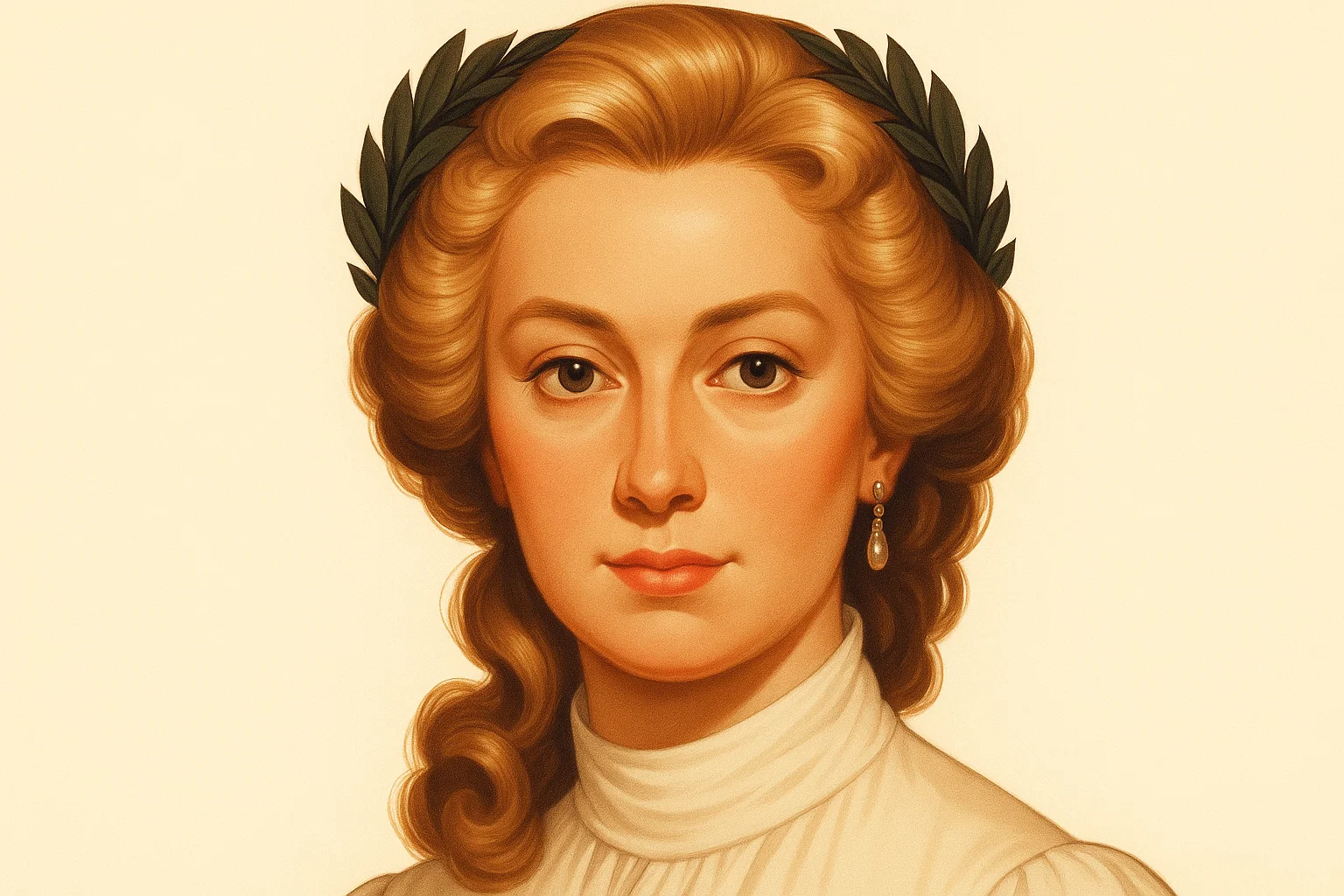
Final Triumph: The Chair of Experimental Physics
After decades of teaching from her home and fighting for recognition, Laura Bassi achieved the ultimate professional goal of her long career. In 1772, the professor of experimental physics, Paolo Balbi, died suddenly, creating a vacancy. Four years later, in 1776, at the age of 65, Bassi’s lifetime of work was finally rewarded when she was appointed to the Chair of Experimental Physics at the Bologna Institute of Sciences.
The appointment was a momentous victory. In a remarkable reversal of traditional gender roles for the era, the university appointed her husband, Giuseppe Veratti, to serve as her teaching assistant. For the first time, Bassi was not just a professor in name but held a position of true authority and leadership within the formal academic world.
Conclusion: A Legacy of Perseverance
Laura Bassi’s career demonstrates the profound challenges faced by women who dared to enter academia in the 18th century. She was confronted with institutional segregation, limitations on her teaching, and exclusion from the formal powers enjoyed by her male colleagues. Her success was a testament to her strategic brilliance and relentless perseverance. By turning her home into a center for scientific learning, building a professional partnership with her husband, and masterfully navigating the complex patronage networks of the Papal States, she forged an independent and highly influential career. Through her lifelong determination, Laura Bassi not only became a pioneering physicist but also powerfully advanced the status of women in academic circles.
Laura Bassi, Italian physicist and academic, was born on October 29, 1711 and died on February 20, 1778.
Born at the same time
Notable people are born as a set of twins and registered close together.
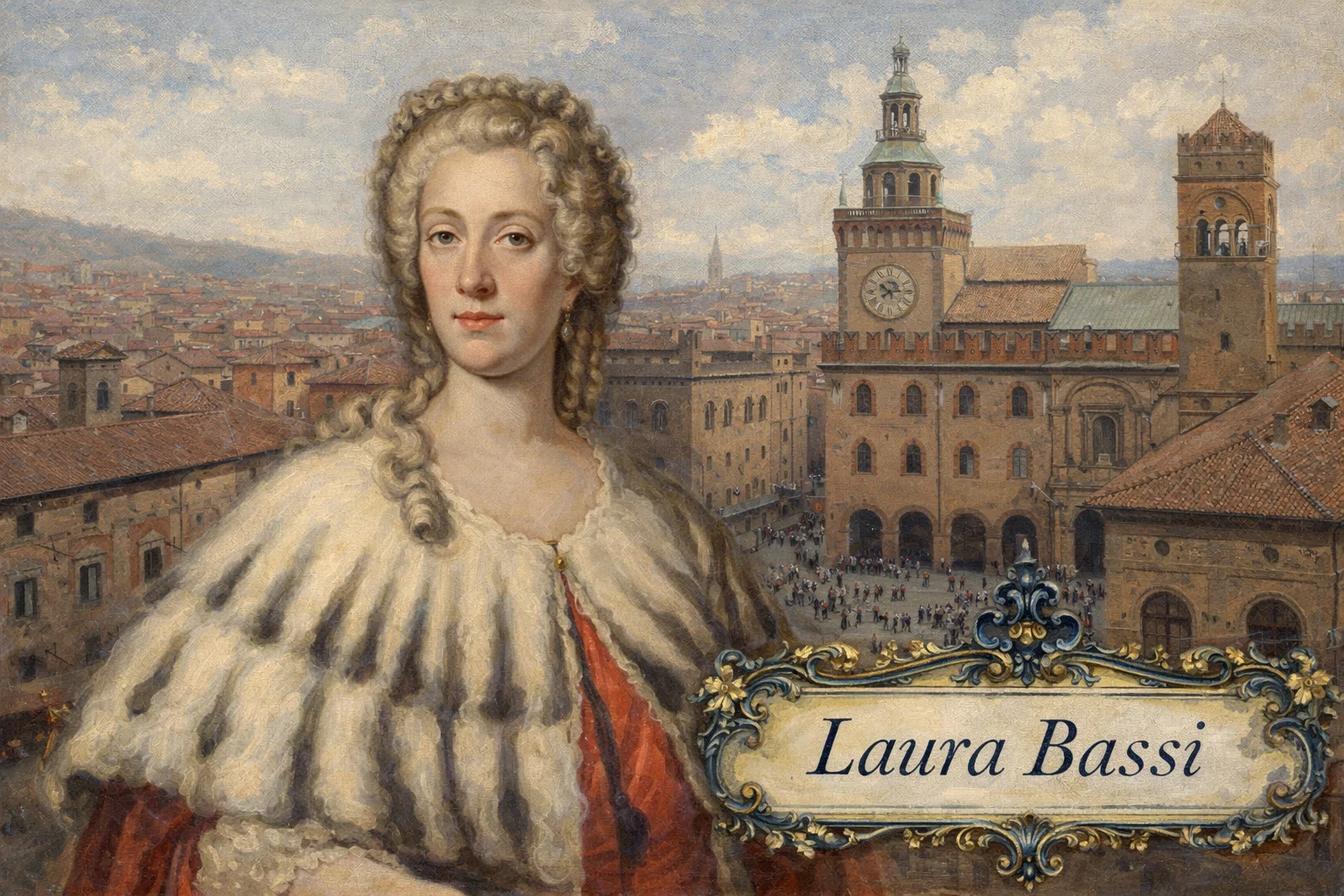
Born on October 29, 1711 (1711 - 1778) Laura BassiItalian physicist and academic |
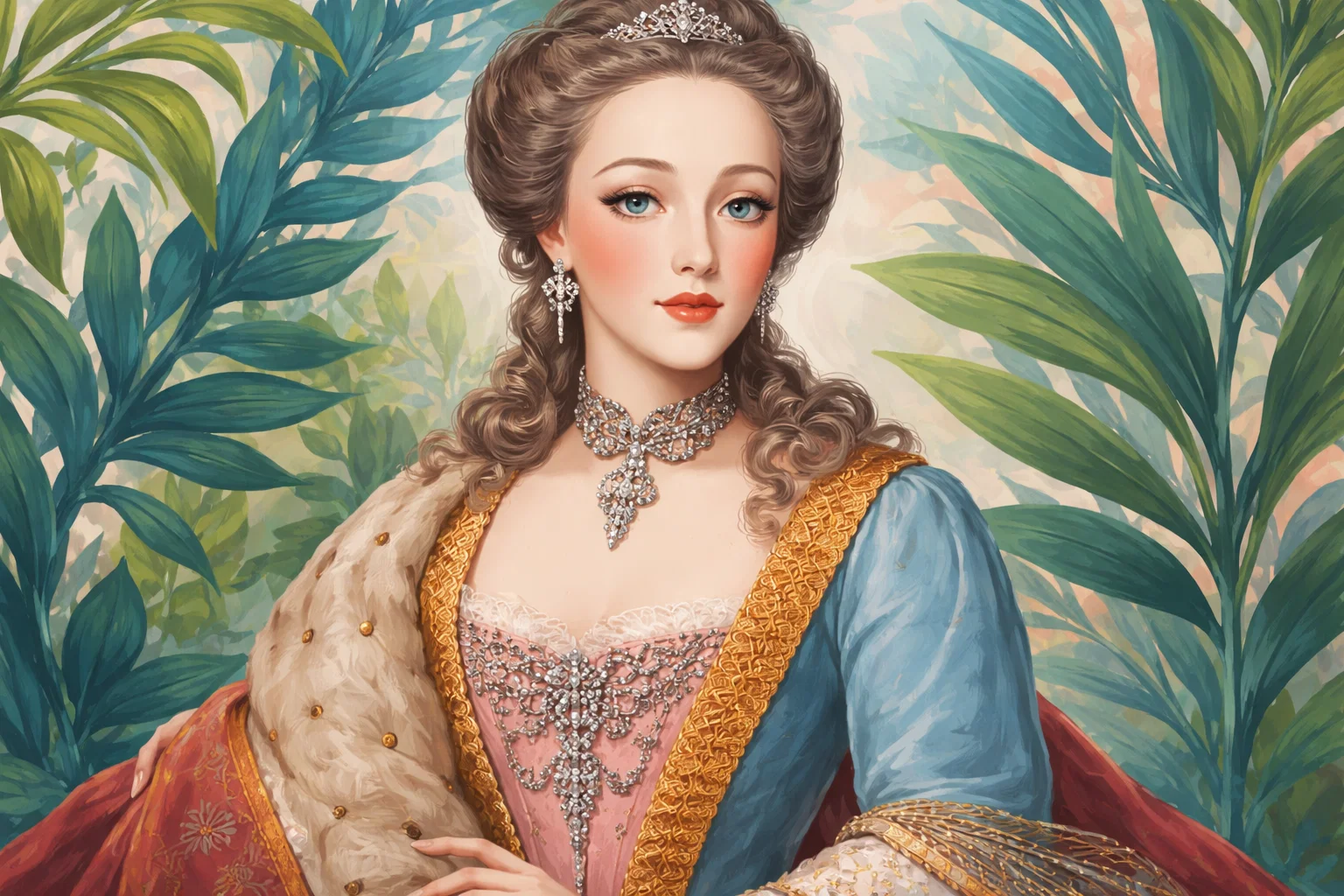
Born on October 15, 1711 (1711 - 1741) Elisabeth Therese of LorraineElisabeth Therese of Lorraine was Queen of Sardinia as the third wife of King Charles Emmanuel III |
Xanadu Registrants
These are the notable people who registered Laura Bassi into the Xanadu blockchain, after making a gift to humanity.
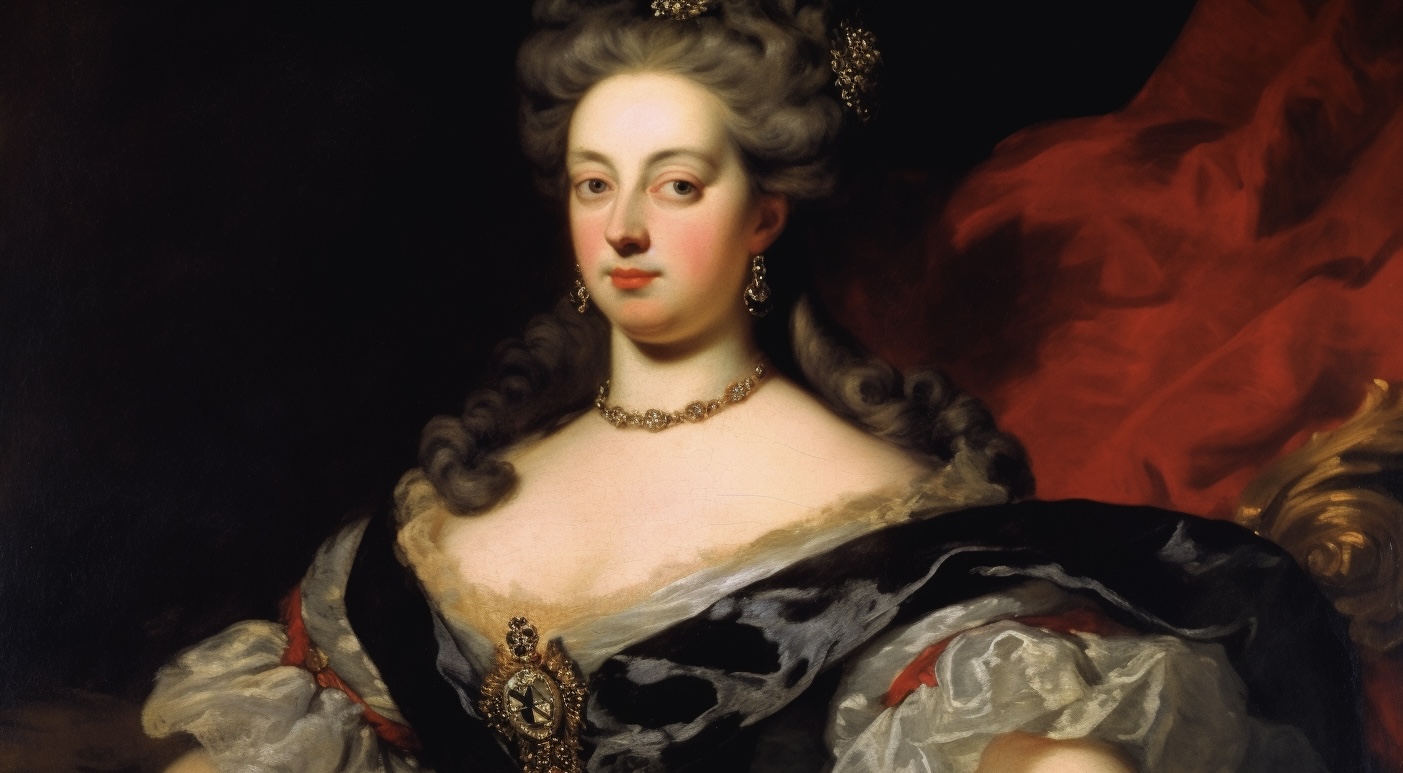
Maria Anna of Austria
1683-1754
Queen of Portugal by her marriage to King John V of Portugal
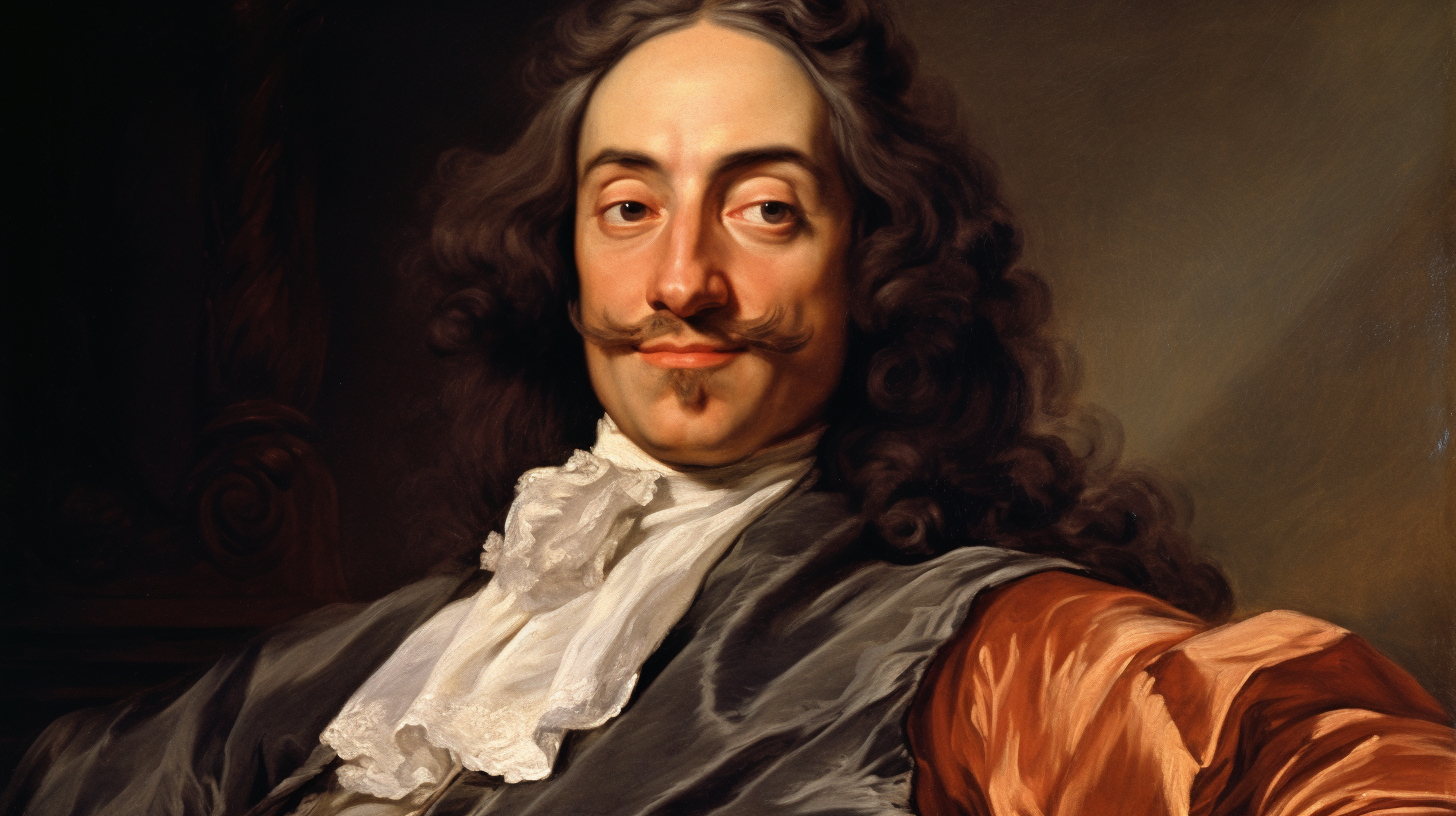
Francesco Gasparini
1661-1727
Italian Baroque composer and teacher whose works were performed throughout Italy, and also on occasion in the Holy Roman Empire and England.
Tracked Events
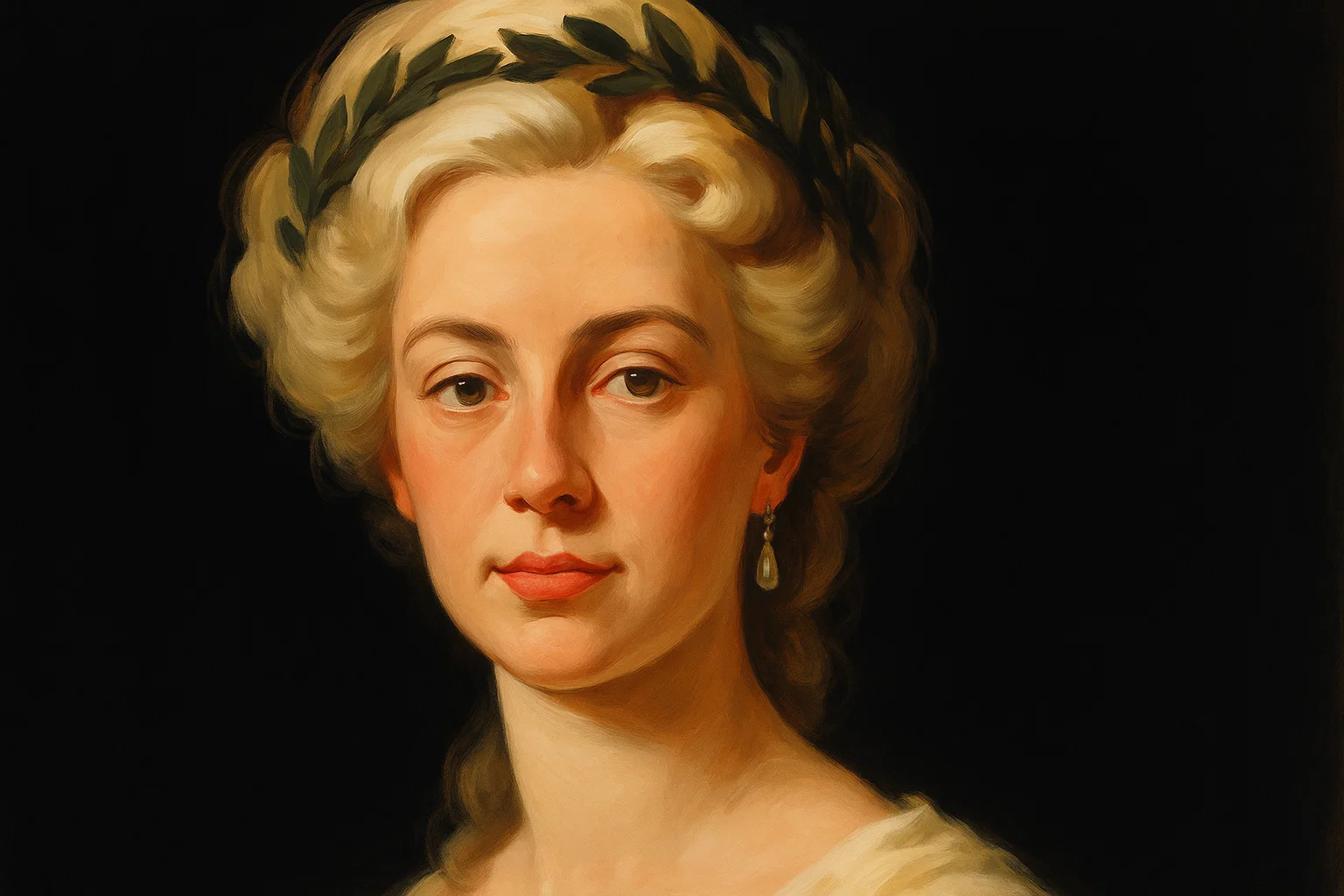
Laura Bassi defended twelve additional theses at the Archiginnasio, the main building of the University of Bologna. This was a petition for a teaching position to the Senate of the university
It happened on June 27, 1732
Featuring: Laura Bassi.
Laura Bassi publicly defended forty-nine theses before professors of the University of Bologna
It happened on April 17, 1732
Featuring: Laura Bassi.
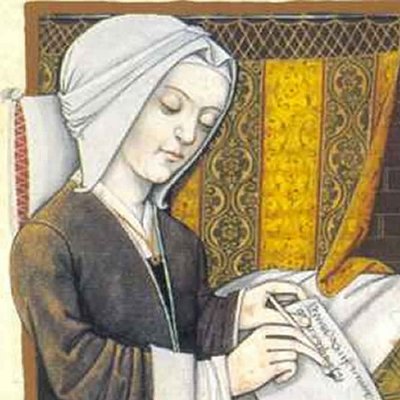
Laura Bassi becomes the first official female university teacher
It happened on January 3, 1731
on being appointed professor of anatomy at the University of Bologna, at the age of 21.
Featuring: Laura Bassi.
If you are doing research on Laura Bassi and would like to seethis profile expanded, join the patreon and make a request!